Many people don’t realize how much lighting carries a room until something feels off. You can have well-chosen finishes, a layout that makes sense, even good furniture placement, and still end up with a space that feels flat at night or uncomfortable during the day. It’s rarely the materials. More often than not, it’s the lighting.
Lighting fixtures do more than brighten a room. They affect how colors read, how textures show up, and how easy the space is to use. A kitchen can look completely different depending on the time of day. A bathroom might feel polished, but still be frustrating for everyday routines. These are the kinds of home lighting design mistakes that usually come from treating lighting as a last step and not as part of the plan.
Mistake 1: Relying On One Overhead Source For The Whole Room
One of the most common lighting errors is expecting a single ceiling fixture to handle the entire room. It might technically light the space, but the result is often uneven. You get bright spots in the middle and shadows where you actually need visibility. It can also make the room feel a bit flat, as if everything is on the same plane.
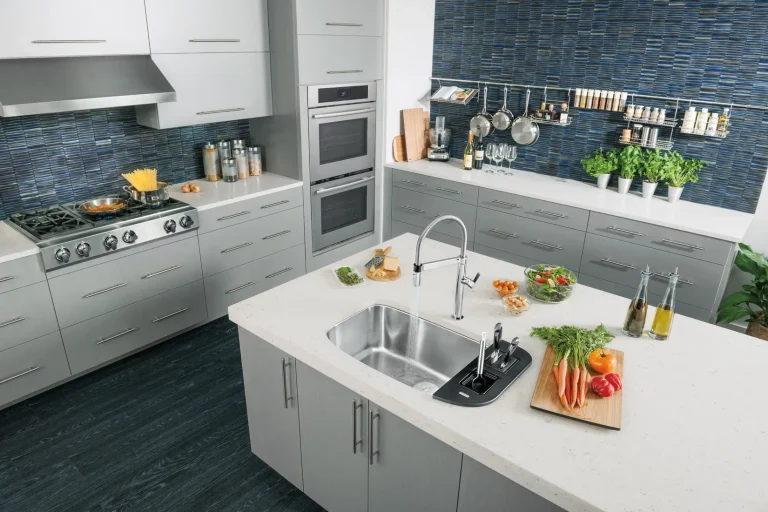
Layered lighting tends to solve this without overcomplicating things. A mix of ambient light for overall brightness, task lighting where you actually work, and a bit of accent lighting adds dimension. You see this working well in kitchens, where island lighting, under-cabinet lighting, and overhead fixtures all play different roles. The same applies in bathrooms and living areas.
Mistake 2: Ignoring Task Zones
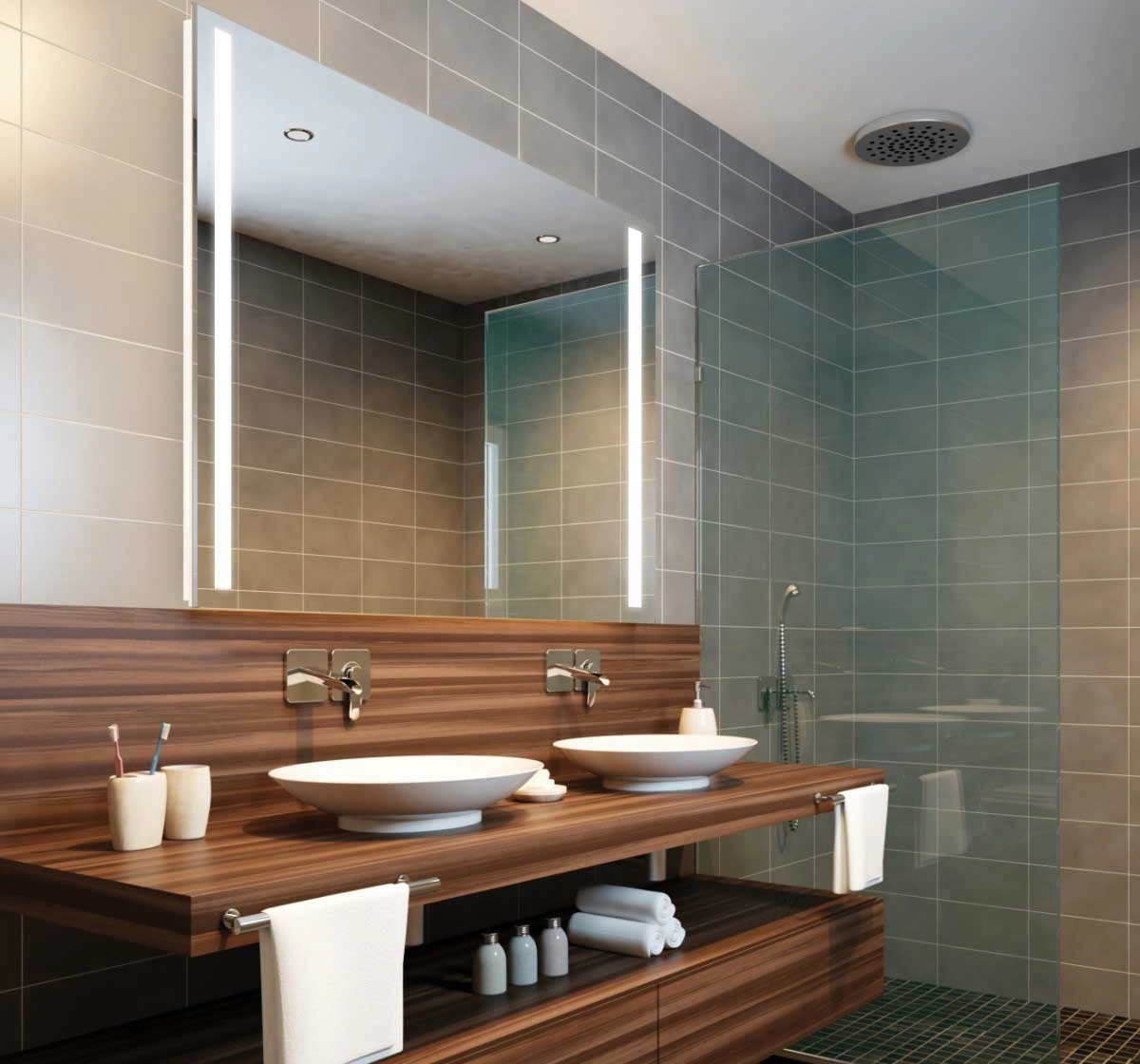
Another issue shows up when task zones are overlooked. A bathroom vanity might look clean and well-designed, but without proper lighting at the mirror, it’s not very practical. Kitchen prep areas can end up with shadows even when the room feels bright overall. Reading corners often get whatever light happens to reach them, which is rarely enough.
Mistake 3: Choosing Fixtures Based On Trend Photos Instead Of Room Scale
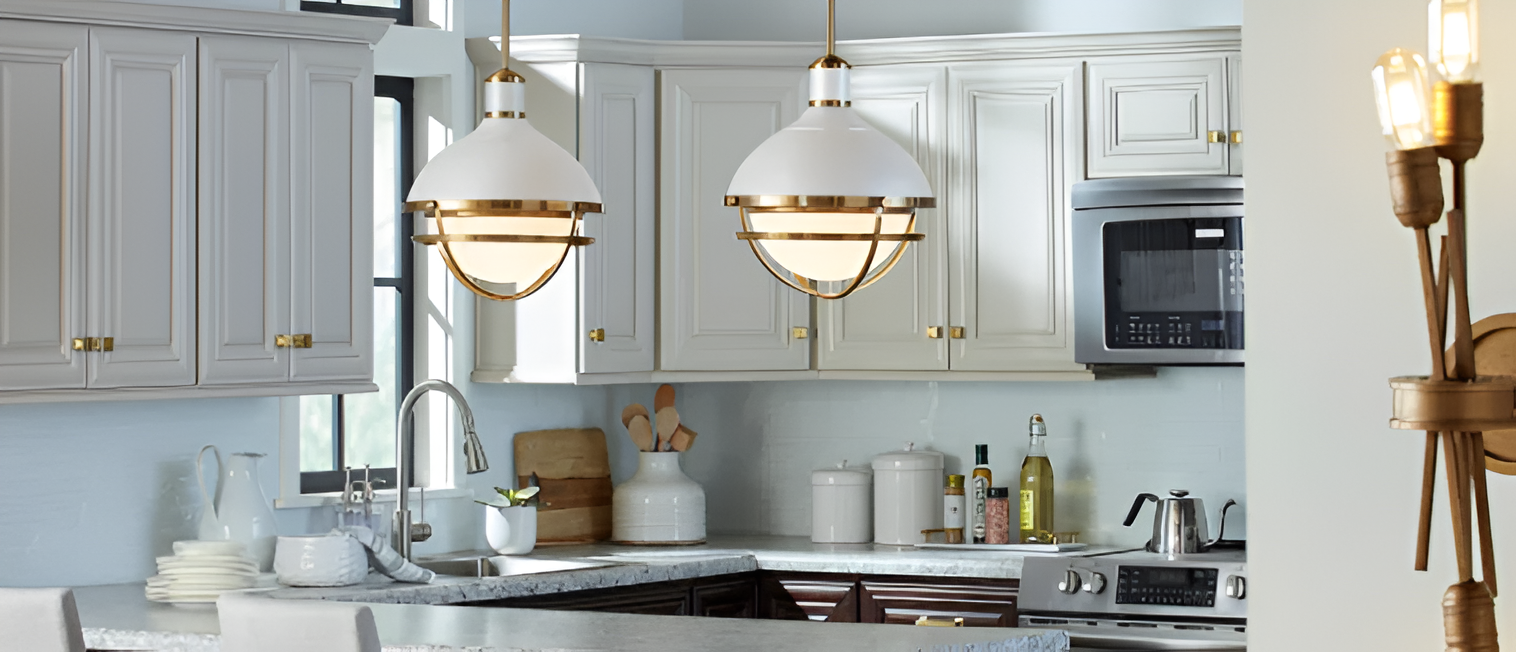
Then there’s scale. It’s easy to pick lighting fixtures based on how they look in photos, but those images don’t always reflect real proportions. A pendant that looks bold online might feel undersized over a long island. On the other hand, something oversized can dominate a smaller room. Scale needs to relate to ceiling height, surface size, and how the fixture sits within the space. Seeing options in person usually makes this much clearer than trying to judge from a screen.
Mistake 4: Planning Fixture Placement Too Late
Mistake 4: Planning Fixture Placement Too Late
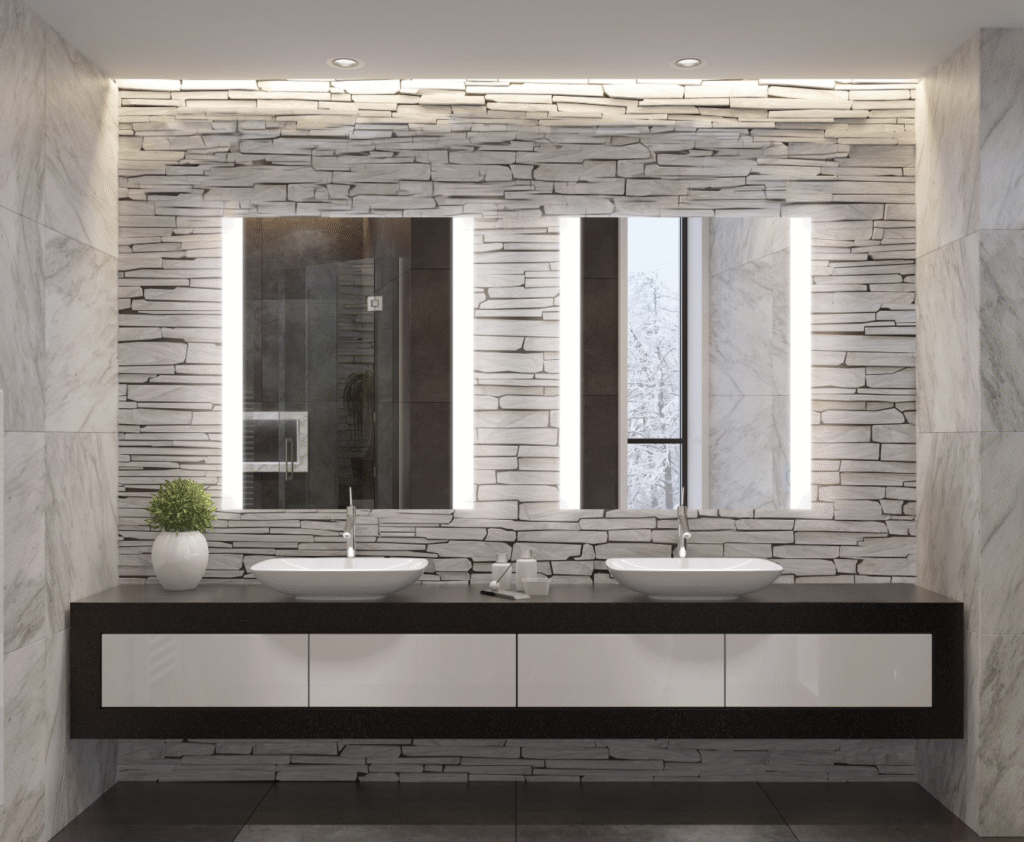
Some lighting layout tips are less about appearance and more about timing and feel. Placement is a good example. When lighting decisions happen too late, after cabinetry or mirrors are already fixed, it limits what you can do. Alignment starts to feel slightly off, even if everything technically fits.
Mistake 5: Choosing The Wrong Color Temperature
Color temperature is another detail that quietly shifts how a room feels. Light that leans too cool can make a space feel sharp or a bit sterile. Too warm, and finishes can take on a different tone than expected. This becomes noticeable in kitchens and bathrooms, where materials like tile, stone, and metal are meant to be seen clearly.
Mistake 6: Getting Brightness Wrong And Skipping Dimmers
Brightness is where many homes swing to extremes. Some spaces feel dim no matter how many fixtures are added, while others feel overly bright because everything runs at full intensity all the time. Dimmers help balance this. They allow the same room to work for different times of day without needing to rethink the entire setup.
Mistake 7: Treating Finishes And Styles As Separate From The Rest Of The Room
There’s also the question of coordination. Lighting fixtures don’t sit in isolation. They interact with faucets, cabinet hardware, mirrors, and even appliances. When finishes don’t relate to each other, the room can feel slightly disconnected. When they do, everything feels more settled, even if the individual pieces are simple.
Mistake 8: Treating Bathroom Lighting Like An Afterthought
Bathrooms are one of the easiest places to underestimate lighting. A lot of attention goes into layout and fixtures, but the lighting around the vanity doesn’t always get the same focus. That’s where most daily routines happen, so it makes a difference. Vanity lighting, sconces, or lighted mirrors can improve both comfort and clarity without changing the overall design.
Mistake 9: Forgetting To Coordinate Ceiling Fans With The Rest Of The Lighting Plan
Ceiling fans are another detail that often gets treated separately from lighting. In many rooms, they’re highly visible, so their finish and style matter. When they don’t relate to the rest of the fixtures, they can stand out in a way that feels unintentional. Coordinating them as part of the same plan keeps the room more cohesive.
Mistake 10: Ordering Too Quickly Without Comparing Options In Person Or Through Guided Selection
The last mistake tends to happen right before ordering. It’s easy to make quick decisions based on photos, especially when everything looks good online. But lighting is one of those categories where small differences matter. Finish, scale, and even how the light feels can be hard to judge without a closer look. Taking a bit more time to compare options, either in person or through guided selection, usually leads to better decisions.
How to Avoid These Lighting Mistakes
Most of these issues come down to timing and perspective. When lighting is considered early, layered properly, and coordinated with the rest of the room, it tends to work quietly in the background. You notice the space feels right, even if you can’t immediately point to why.
That’s where Bath and Bronze comes in. It’s less about browsing endless options and more about narrowing things down in a way that makes sense for the space. Being able to compare lighting fixtures alongside mirrors, finishes, and other elements helps connect the pieces before anything is finalized. Over time, those choices add up to a room that feels more balanced and easier to live with. Not perfect, but considered.
See Your Lighting Choices at Bath and Bronze
Visit the Bath and Bronze showroom in Irmo to compare lighting, mirrors, and finishes in person. You can also explore the virtual showroom and book a consultation to move forward with more clarity.