The gap between a standard bathroom and a truly luxurious one rarely comes down to one product. It comes down to how every decision connects. The finish on a faucet, the depth of a drawer, and the height of a sconce are all intentional choices that make up a luxurious bathroom. When they don’t, even expensive materials read as disconnected.
This blog covers the key decisions that go into designing a luxury bathroom: fixture selection, vanity configuration, cabinetry, lighting, and the finishing details that pull it all together.
Start With a Clear Design Direction
We always recommend establishing a design direction before selecting a single product. Modern luxury bathrooms favor clean lines, minimal hardware, and neutral palettes with high-contrast accents. Transitional styles blend traditional proportions with updated finishes. Classic luxury leans toward symmetry, furniture-style vanities, and warmer tones.
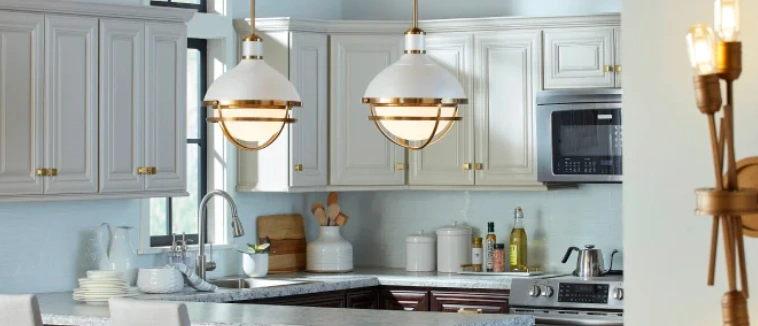
Finish selection is where direction becomes concrete. Matte black reads as modern and graphic. Brushed gold adds warmth and suits transitional spaces well. Polished chrome stays clean and timeless across both modern and classic settings. The finish you choose for faucets and hardware will influence every other material decision in the room, so locking it in early prevents costly mismatches.
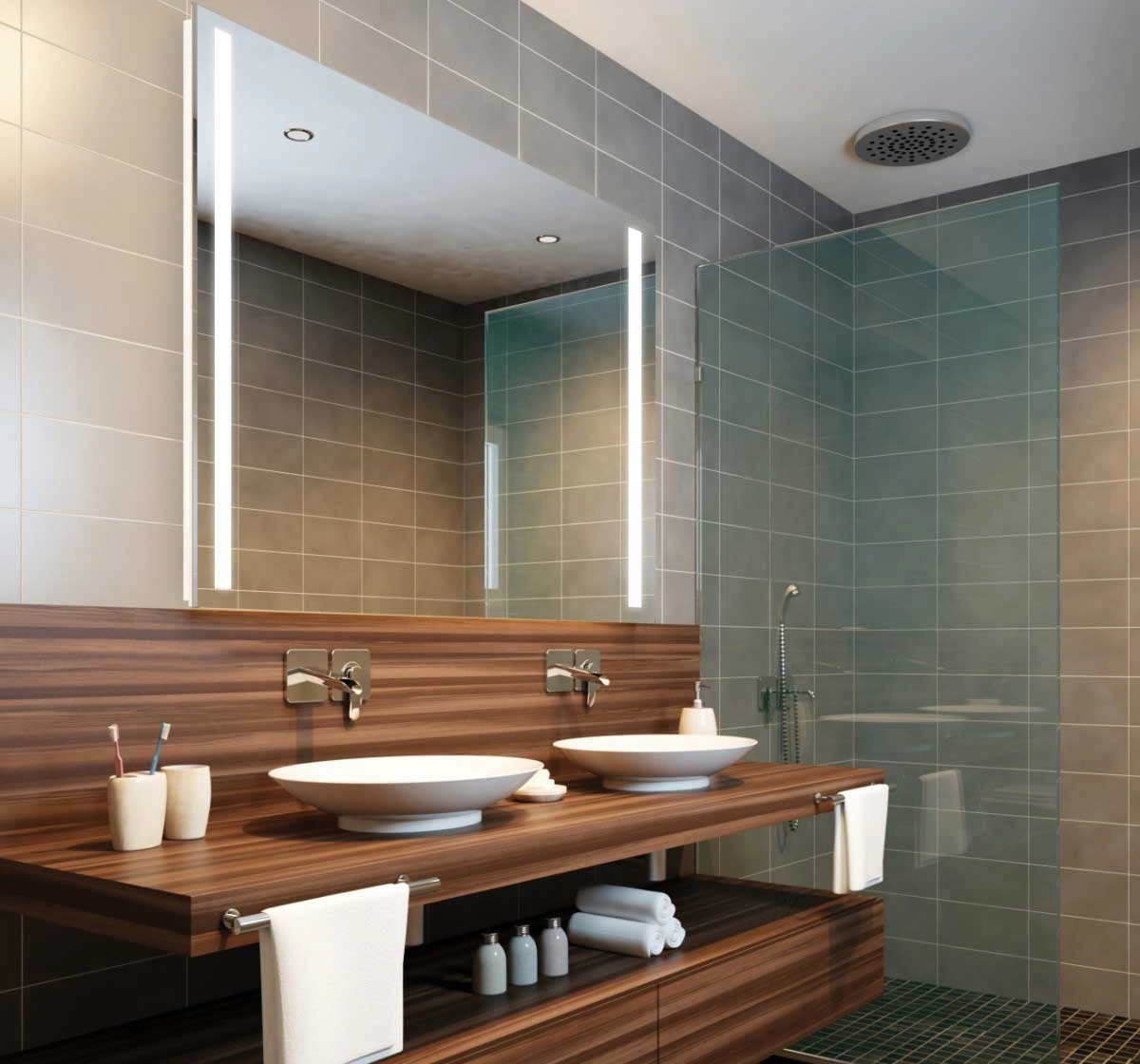
Coordinating tile, cabinetry, and fixtures during the planning stage matters more than most people expect. A warm wood-tone vanity paired with cool gray tile and polished chrome reads as disconnected.
Choose High-End Bathroom Fixtures That Anchor the Space
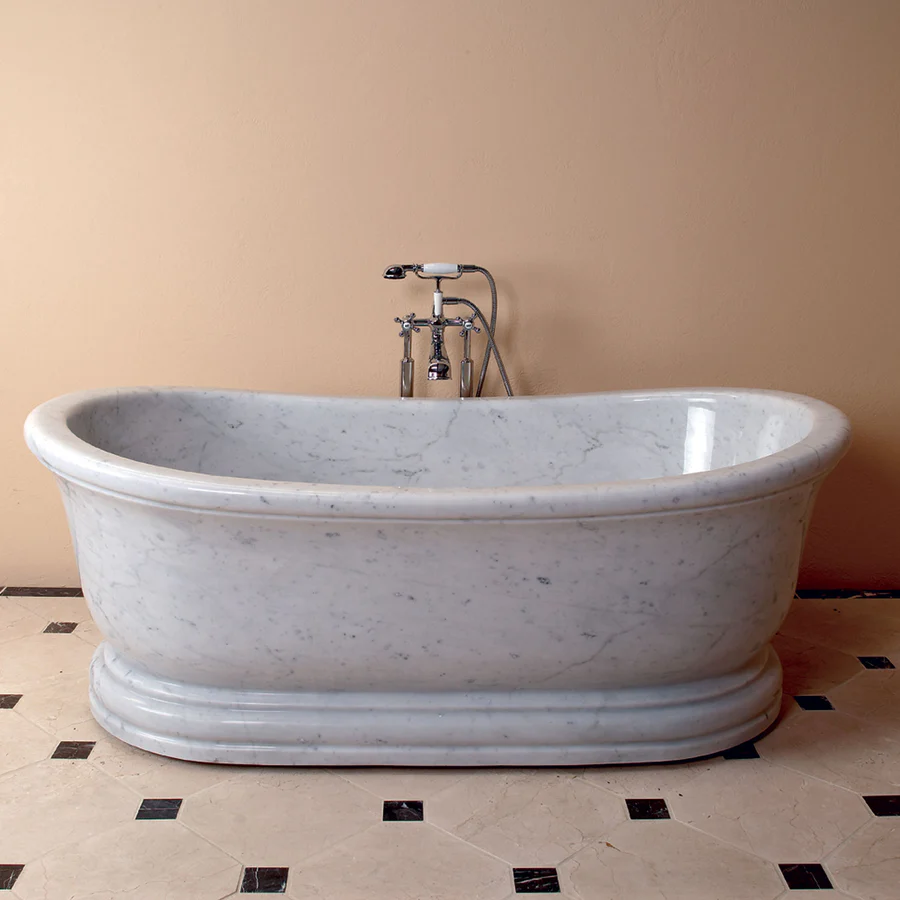
Fixtures set the visual tone for the entire room. A freestanding tub, when the floor plan supports it, functions as a focal point. Placement matters as well. A freestanding tub can be centered on a wall or angled toward a window, but it still needs open floor space around each side and a floor-mounted faucet placed within easy reach. An undersized tub in a large primary bathroom can look like an afterthought, so getting the scale right before ordering is worth it.
Frameless glass showers are a consistent feature in high-end bathroom design. They keep sightlines open and let tilework show without interruption. Pairing a frameless enclosure with a rain shower system, whether ceiling- or wall-mounted, adds both functionality and visual calm.
Wall-mounted faucets communicate restraint and precision. Deck-mount faucets offer a more traditional look with simpler installation. Either way, the finish should carry through to every other fixture in the room.
Invest in Custom or Semi-Custom Bathroom Vanities
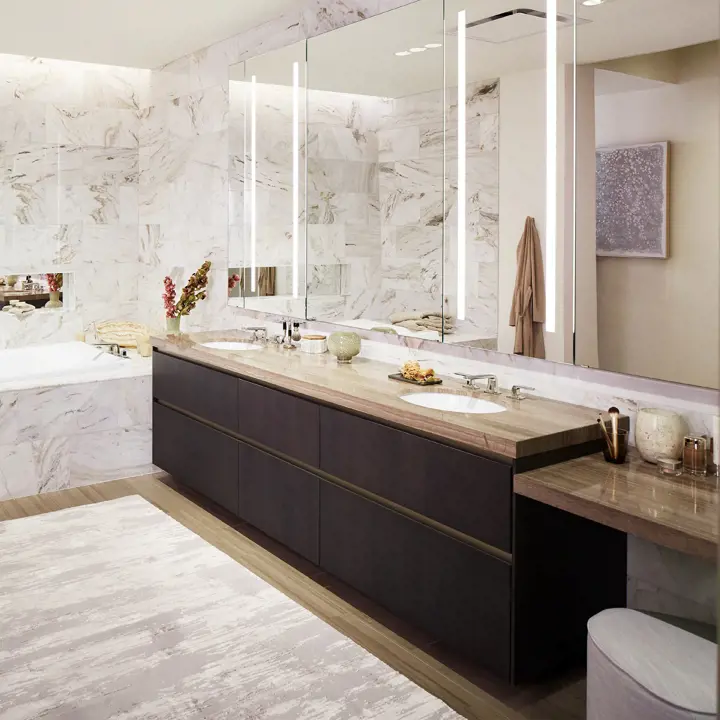
The vanity is the most-used element in any bathroom, and it needs to perform as well as it looks. Floating vanities create visual openness, particularly in smaller rooms, and make floor cleaning straightforward. Furniture-style vanities add weight and warmth, which works well in transitional or classic designs.
Storage configuration deserves real attention. Deep drawers at counter height handle everyday items efficiently. Adjustable shelving behind cabinet doors accommodates taller products. In a primary bathroom, double vanities in the 60- to 72-inch range give each person dedicated storage without crowding the countertop.
For countertop materials, quartz offers durability and consistency across large slabs. Marble brings natural variation but requires sealing and ongoing care. Solid surface materials provide a seamless look with good moisture resistance. Browse Bath & Bronze’s vanity and cabinetry options to compare configurations and finishes for your specific layout.
Select Luxury Bathroom Cabinets That Balance Style and Storage
Cabinet door style shapes the overall feel of the space. Shaker doors work across modern and transitional bathrooms without competing with other design elements. Slab doors read as more contemporary and minimal. Inset doors, where the door sits flush within the frame, signal higher craftsmanship and suit classic luxury interiors particularly well.
Finish and hardware need to withstand daily humidity. Painted finishes in semi-gloss or full gloss perform better in wet environments than flat finishes. Hardware in brushed nickel, matte black, or brushed gold should coordinate with faucets and towel bars throughout the room.
Finish the Details That Make a Luxury Bathroom Feel Complete
Heated flooring is one of the most consistently valued upgrades in a bathroom renovation. It eliminates cold tile underfoot and adds real daily value in cooler months. Towel warmers serve a similar purpose and come in wall-mounted configurations that preserve floor space.
Shower niches tiled to match the surrounding walls read as planned elements rather than add-ons. Mirror sizing should align with the vanity width because a mirror that stops well short of the vanity edges creates a disconnected look. For ceilings over nine feet, a taller mirror or vertically proportioned frame fills the wall appropriately.
Pulls, drain covers, robe hooks, and toilet paper holders in a consistent finish are the details that signal real care. These small accessories, chosen to match the room’s dominant finish, are what make a bathroom feel fully resolved rather than almost finished.
Bring Your Luxury Bathroom Design Together in the Showroom
Designing a luxury bathroom is a series of coordinated decisions. Each product choice connects to the next, and the result depends on how well those choices align in terms of finish, scale, material, and function. Seeing fixtures, vanities, and finishes together in a showroom makes those connections far easier to evaluate than reviewing them one at a time online.
Visit the Bath & Bronze showroom to compare finishes in person, explore luxury fixtures and custom vanity options, or book a consultation for your bathroom project.
FAQs
What makes a bathroom feel truly luxurious?
Cohesion across finishes, materials, and fixture scale drives the feeling of luxury more than any single product. A room where every element relates to the others reads as considered and complete.
How do I choose between a freestanding tub and a built-in tub?
Square footage and layout are the first filters. In a room with the space to support it, a freestanding tub works as a visual centerpiece. Built-in tubs suit tighter layouts and deliver a cleaner, more streamlined look when integrated with the surrounding tile work.
Should all my bathroom fixtures be the same finish?
A fully matched finish is the most consistent approach, but intentional mixed-metal combinations work when handled with discipline. The rule we follow is one dominant finish and one accent finish.